The Art and Engineering of Fortifications
A Complete Guide to Choosing and Using Ready-Made Trenches for Miniatures
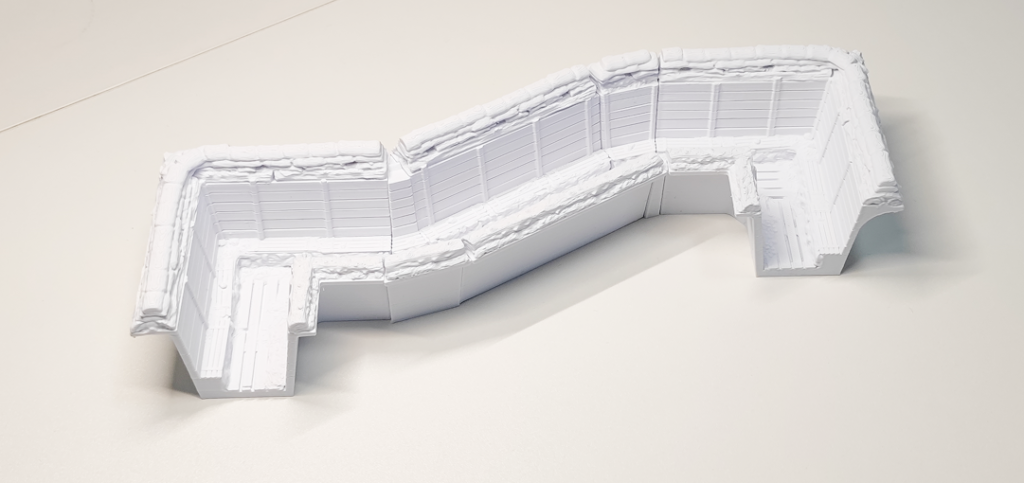
1. Introduction: The Role of Fortifications in Scale Modeling and Wargaming
In the landscape of any tactical wargame table or historical diorama, trenches occupy a central position. They are not merely surface decoration but complex engineering structures that define battlefield logic and visual authenticity. Trenches for miniatures serve as the critical link between soldier figures and their environment, transforming a flat tabletop into a believable theater of war.
For wargamers, miniature trench terrain is a tactical resource: it provides cover modifiers, blocks lines of sight (LoS), and creates choke points that force thoughtful maneuvering. For scale modelers, military trenches tell a story — conveying the hardships of positional warfare and showcasing craftsmanship in earth textures, timber, and structural detail. High-quality fortifications are what distinguish a simple gaming table from a display-worthy diorama.
2. The Availability Crisis: Why Ready-Made Trenches Are Still Rare
Despite their importance, high-quality ready-made trenches remain surprisingly difficult to find. Most hobbyists are forced into scratch-building, often with inconsistent results.
The Root of the Problem: Lack of Industry Standards
Large terrain manufacturers tend to focus on buildings or natural features such as rocks and trees, which are easier to standardize. Trenches, however, must visually integrate into the ground surface — a challenge that modular systems often fail to solve without sacrificing realism.
Why DIY Trenches Are No Longer the Best Solution
While trenches are often considered “easy” to build from foam and filler, experienced hobbyists consistently encounter serious issues:
- Scale inaccuracies: Homemade trenches are frequently too shallow or too wide. If a miniature cannot realistically take cover up to shoulder height, core LoS mechanics break down.
- Material instability: Foam, plaster, and lightweight fillers chip and degrade over time, especially during transport.
- Lack of repeatability: Expanding a trench network months later almost always results in mismatched textures, colors, and proportions.
- Time cost: A single 30 cm trench section can take 5–10 hours of skilled work. When time is valued realistically, DIY becomes unexpectedly expensive.
Limitations of Existing Commercial Products
Mass-produced plastic or vacuum-formed trench kits often suffer from overly smooth surfaces, minimal interior detailing, and extremely low weight — causing sections to shift during gameplay and break immersion.
3. Technical Specifications: Standards of Professional Fortifications
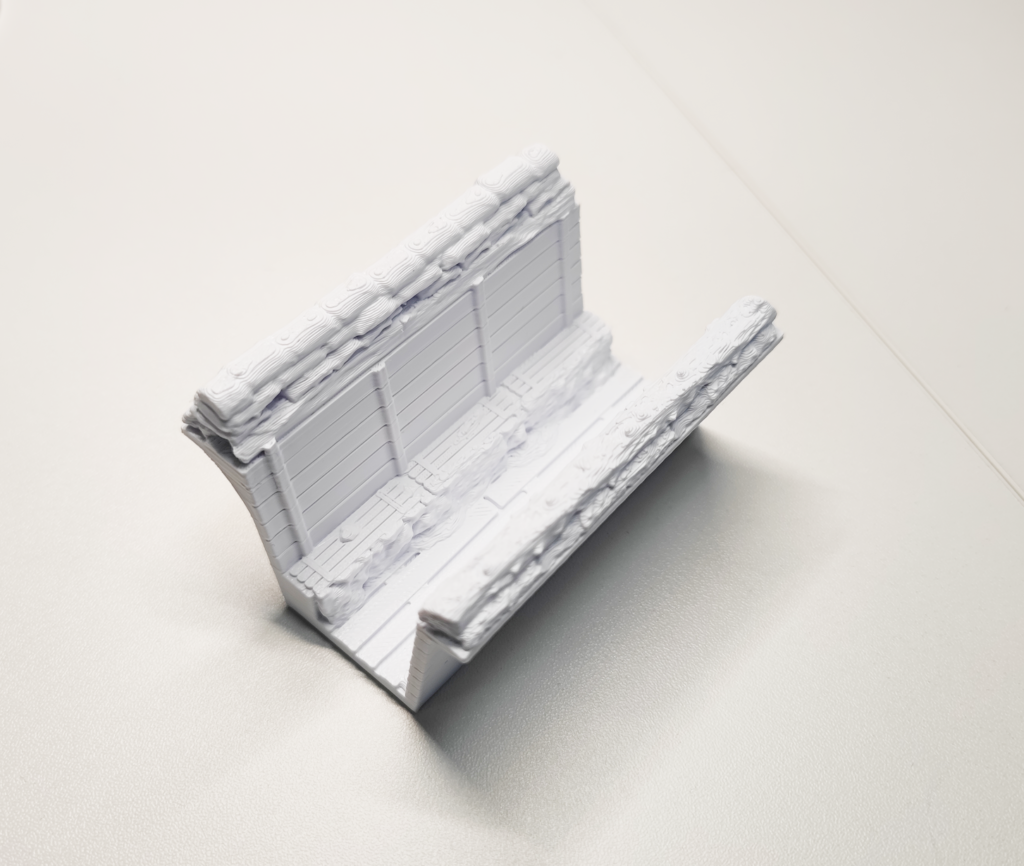
To qualify as professional-grade wargaming trenches, terrain must meet strict engineering and artistic standards.
Accurate Scaling and Mathematical Precision
Modern trench systems are designed for:
- 1:56 scale (28 mm miniatures)
- 1:50 scale (32 mm miniatures)
- 1:35 scale (47–50 mm figures)
Design takes into account miniature base diameters. For example, with infantry figures averaging 47–50 mm in height, trench floors must be at least 26–28 mm wide to allow natural placement and gameplay interaction. This balance preserves realism without compromising usability.
Realistic Geometry and Construction Logic
Professional trenches replicate real defensive structures:
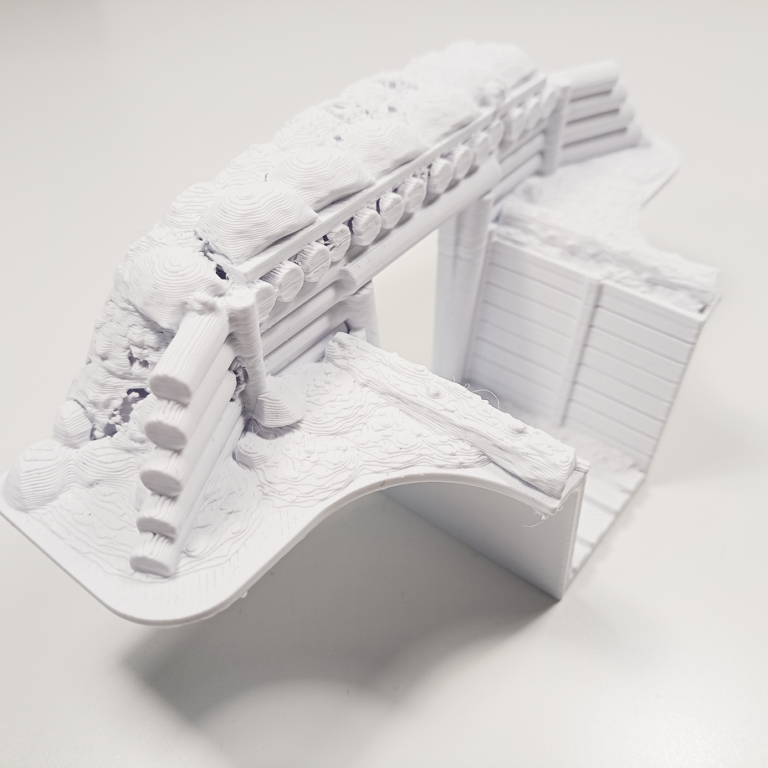
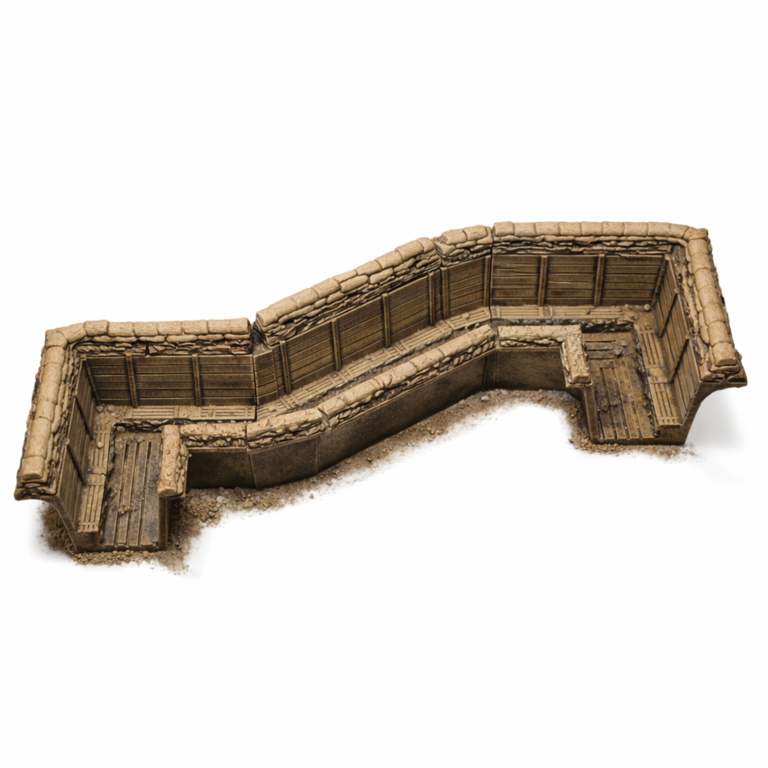
- Wall lining: Detailed simulation of wooden planking, fascines, or reinforced earth, including cracks, knots, stones, and soil deformation.
- Drainage elements: Duckboards or drainage channels at the trench bottom enhance realism.
- Parapet and berm structure: Excavated soil placement follows believable erosion and gravity patterns.
Modular System Design
Modular trench sections allow for:
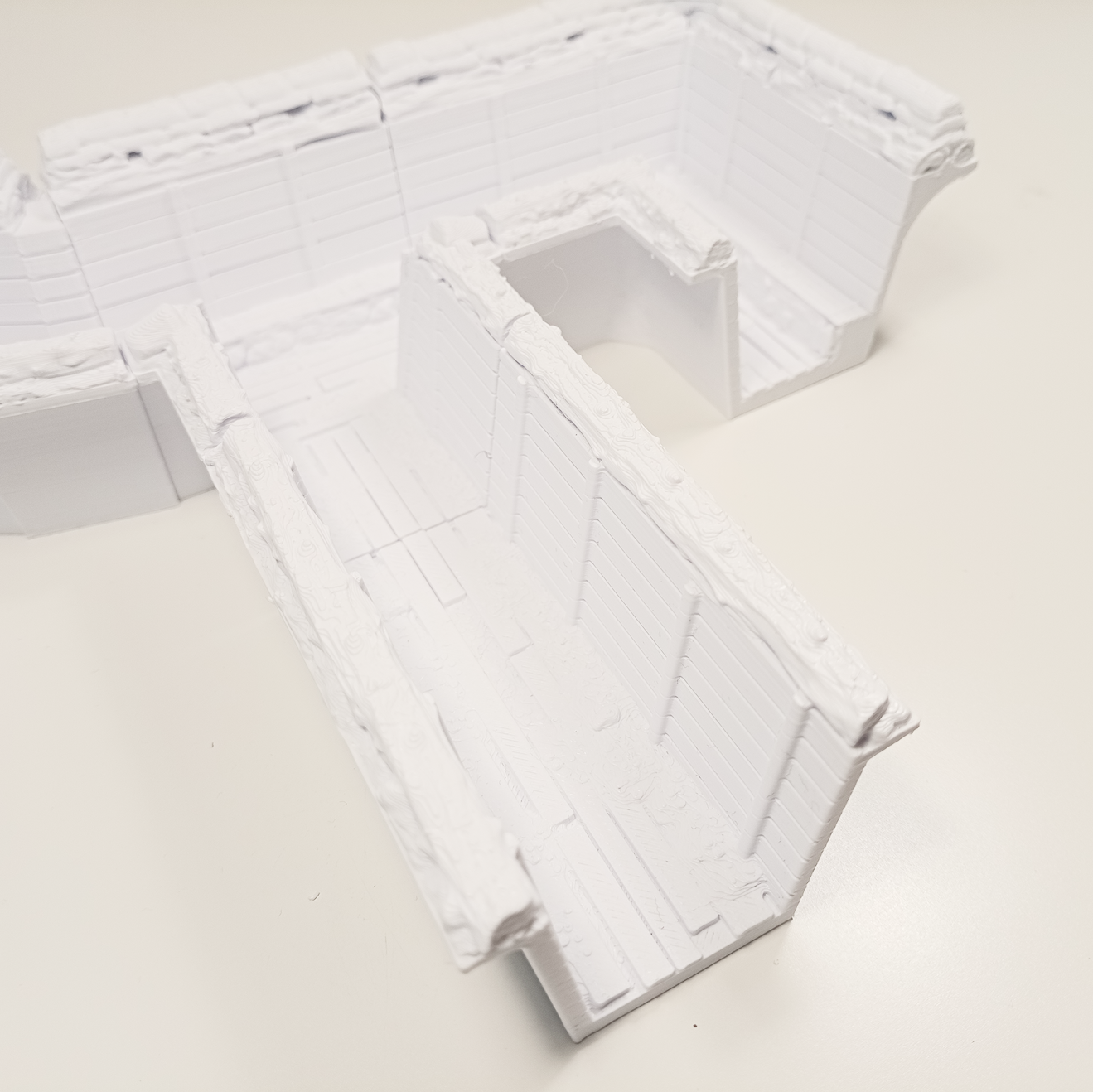
- Straight lines, L-turns, T-junctions, firing bays, and dead ends
- Hidden connection points that make seams nearly invisible once placed on the table
This system approach enables scalable battlefield layouts without visual inconsistency.
4. Usability and Practical Performance
Professional terrain is designed for active use, painting, and long-term handling.
Surface Preparation and Painting
Advanced polymer materials provide excellent adhesion for acrylic primers and paints. Even basic techniques produce strong results:
- Drybrushing highlights edges and textures naturally
- Washes settle realistically into recesses, simulating moisture and shadow
- Pigments adhere well, allowing convincing dust and dried mud effects
Player-Focused Ergonomics
Unlike purely decorative terrain, these trenches are optimized for gameplay:
- Flat trench floors prevent miniature tipping
- Balanced weight ensures stability on gaming mats
- Standardized heights integrate seamlessly with hills, bunkers, and other terrain elements
5. Comparative Analysis: Why Professional Trenches Outperform Alternatives
| Feature | DIY Terrain | Cheap Plastic Kits | Professional Ready-Made Trenches |
| Wall detail | Variable | Low | High |
| Scale accuracy | Inconsistent | Moderate | Precise |
| Time to play | Very slow | Medium | Immediate |
| Durability | Low | Medium | High |
| 28mm / 32mm compliance | Unreliable | Often incorrect | Exact |
| Weight & stability | Light | Very light | Optimized |
Professional solutions eliminate hidden time costs and deliver consistent quality that is nearly impossible to maintain with repeated manual builds.
6. For Who?
Wargamers and Tournament Organizers
Standardized trench dimensions remove disputes over cover and visibility, ensuring fair and repeatable gameplay.
Diorama Builders and Scale Modelers
High-detail fortifications serve as a reliable foundation for 1:35 and 1:48 dioramas, requiring only additional detailing and vegetation.
Painting Studios and Collectors
Studios value predictable results. Miniatures photographed within realistic trench systems appear significantly more premium in portfolios and promotional materials.
7. Why the Market Is Still Underserved
Users often ask why quality trench terrain is so rare. The reasons are primarily technical:
- Complex mold geometry: Deep recesses and negative angles require expensive multi-part molds.
- Logistics: Voluminous terrain is costly to package and store.
- Niche expectations: Hobbyists now demand realism beyond what mass-market plastic can deliver.
This makes fully engineered, modular trench systems a rare but significant development within the hobby.
8. Conclusion: An Investment in Battlefield Atmosphere
Choosing professional ready-made trenches represents a shift from casual tabletop play to true battlefield simulation. It is a solution for hobbyists who value time, consistency, and immersion — and who want terrain designed by specialists, not improvised compromises.
Because these are professionally created items with proper scaling for your diorama that fit each other and you can make great compositions with them.
Sources:
- Wikipedia — Fortification
https://en.wikipedia.org/wiki/Fortification - Wikipedia — Trench Warfare
https://en.wikipedia.org/wiki/Trench_warfare - Practical modeling and wargaming experience